March 19, 2026
Aging in place has become more than just a lifestyle choice — it's a way to maintain independence, comfort, and familiarity in the home you've lived in for years. For many older adults, the idea of staying in their own home as they age is deeply personal and practical. According to Forbes, 92% of older American adults prefer to live out their later years in their current home. Yet, as our needs change over time, homes often need to adapt to ensure safety, accessibility, and ease of movement.
This is where adhering to ADA standards for accessible design becomes crucial. Incorporating these guidelines doesn’t just make a space more convenient — it can significantly enhance quality of life. From wide hallways to safe bathroom layouts, accessible design ensures that your home works with you, not against you. In this article, we'll explore practical strategies and considerations to make your home more accommodating while keeping your lifestyle intact. With thoughtful planning, you can create a living space that feels welcoming, functional, and supportive at every stage of life.
Understanding Space Requirements for Movement
One of the first things to consider in accessible design is space. ADA standards emphasize the importance of sufficient clearance for safe movement, especially in hallways, doorways, and common areas. For anyone using mobility aids such as walkers or wheelchairs, tight spaces can quickly become a hazard.
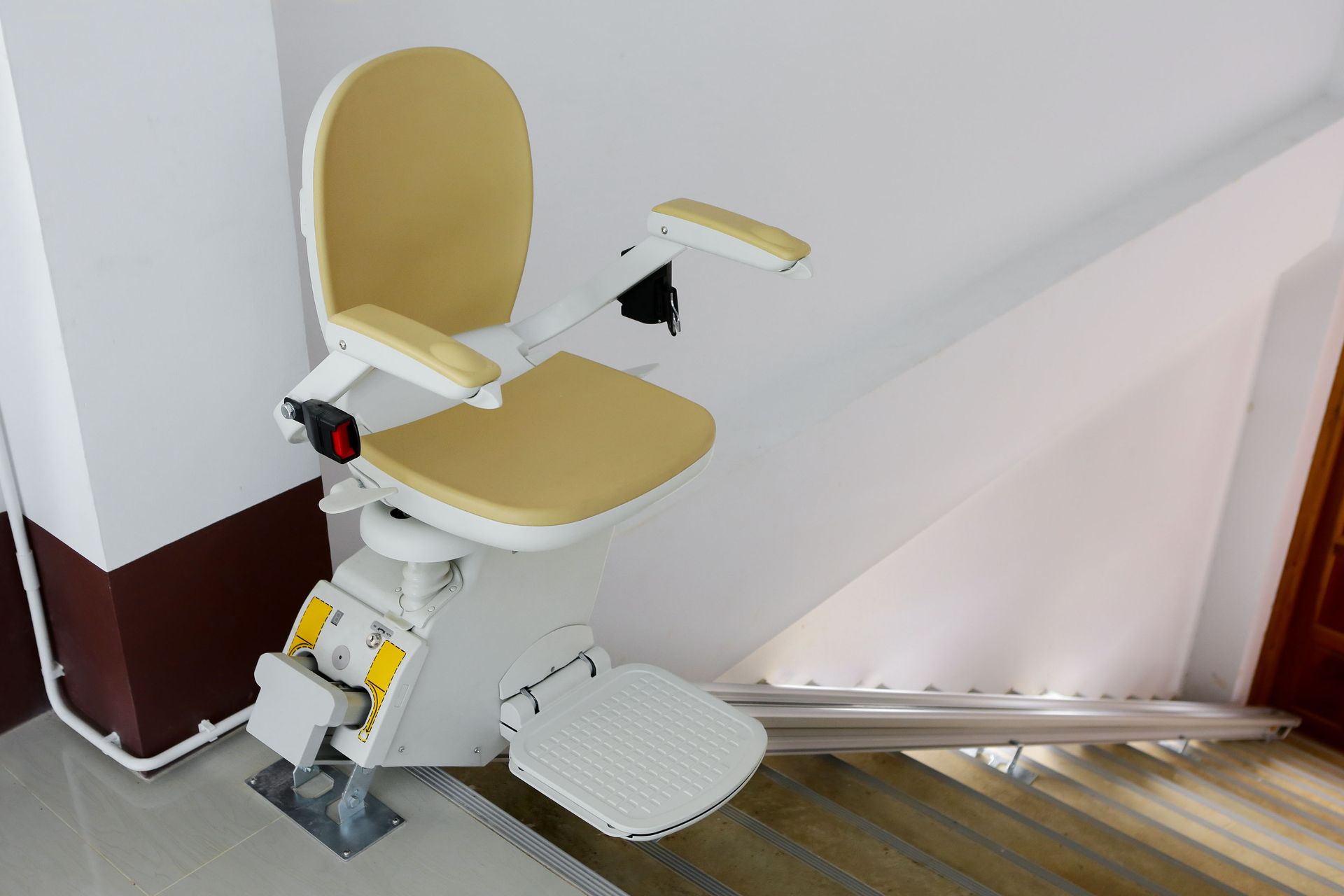
When planning for home accessibility modifications, consider widening doorways and hallways to provide smooth and unobstructed movement. Even small changes, like ensuring hallways are free of furniture or other obstacles, can drastically improve comfort and safety. It’s also worth thinking about turning areas in key rooms, such as bathrooms and kitchens, where having just a few extra inches can make a significant difference. Adding benches or seating in hallways or larger rooms can also provide a place to rest when needed, giving peace of mind and promoting longer periods of independent activity.
Designing Entrances for Easy Access
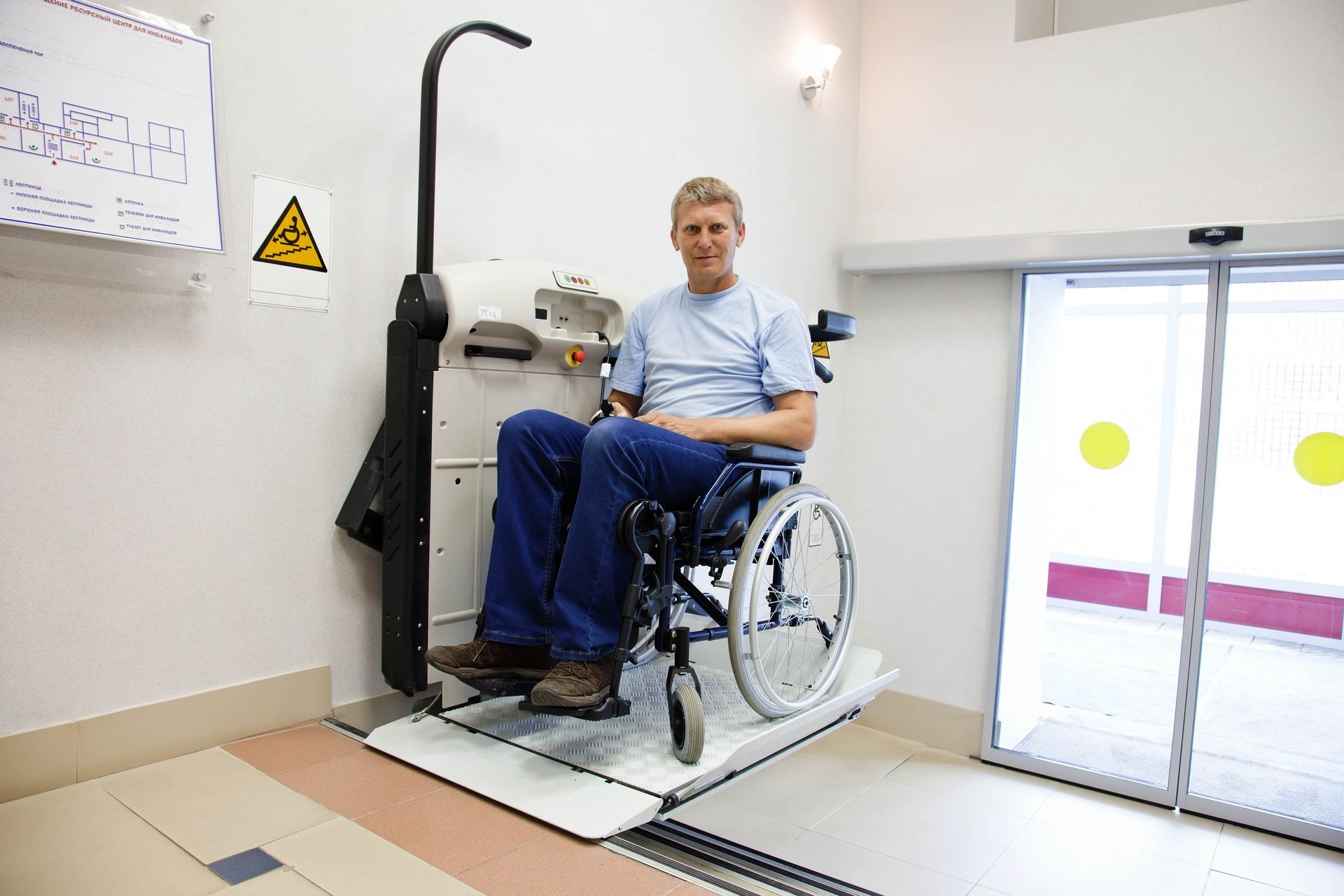
The first impression of accessibility begins at the entrance of your home. Steps, steep thresholds, and narrow doors can quickly become obstacles as mobility changes. ADA standards recommend ramps or gently sloped entrances and doors that allow easy passage without strain.
Home accessibility modifications at the entrance might include installing ramps, adjusting thresholds, or using automatic door openers. Adding sturdy handrails and ensuring that walkways are free of cracks or tripping hazards also enhances safety. Proper lighting and non-slip surfaces are critical, helping to prevent falls and providing reassurance during nighttime access. You may even consider a small vestibule or sheltered area that protects from rain or ice, making daily comings and goings safer and more comfortable. Investing in these upgrades at the front door sets the tone for an accessible and welcoming home environment.
Creating Functional Bathroom Layouts
Bathrooms are often the most challenging rooms when it comes to safe accessibility. ADA standards outline essential elements such as grab bars, clear floor space, and roll-in showers. These measures help prevent accidents while preserving independence in personal care routines.
For home accessibility modifications in the bathroom, consider replacing traditional tubs with walk-in showers, adding adjustable showerheads, or installing a raised toilet seat. Non-slip flooring is a must, and installing a handheld shower wand can make bathing easier without assistance. Even seemingly minor changes, like leveraging accessible storage and placing toiletries within easy reach, can make daily routines smoother. Some people also benefit from shower benches or foldable seats, which allow them to bathe safely without fatigue. Bathrooms designed with ADA standards in mind reduce stress for both residents and caregivers alike.
Planning Kitchens for Convenience and Safety
Kitchens may seem like a space of creativity and activity, but without proper design, they can present risks for aging adults. ADA standards suggest clear floor space, reachable countertops, and thoughtfully placed appliances to ensure both safety and independence.
When making home accessibility modifications in the kitchen, think about lowering countertops, installing pull-out shelves, and arranging appliances for easy reach. Lever-style handles on sinks and drawers can reduce strain, and placing frequently used items within arm’s reach prevents overreaching or climbing on stools. Lighting also plays a key role—well-lit workspaces reduce accidents and make cooking enjoyable. By considering these modifications, the kitchen can remain a hub of activity and joy, allowing residents to continue preparing meals with confidence and ease.
Ensuring Bedroom and Living Areas Are Accessible
Bedrooms and living areas are central to comfort and relaxation. ADA standards emphasize space for maneuverability, the right height for furniture, and easy access to storage solutions.
Home accessibility modifications might include adjusting bed heights, placing nightstands within easy reach, and removing tripping hazards from floors. Consider creating clear pathways and minimizing unnecessary furniture in living areas, so movement is seamless. Adding seating options at different heights and supportive chairs can provide comfort while accommodating changing mobility needs. Thoughtful lighting and reachable controls for lamps or window treatments also add convenience. These changes not only enhance safety but also create a sense of peace and control within your daily environment, allowing for more relaxed and enjoyable living.
Implementing Lighting and Safety Features Throughout the Home
Adequate lighting and safety enhancements are critical for preventing falls and maintaining independence. ADA standards encourage well-lit pathways, proper task lighting, and clear visibility of switches and controls.
For home accessibility modifications, consider motion-sensor lights, illuminated stair edges, and accessible electrical outlets. Smoke and carbon monoxide detectors should be installed at accessible heights, and emergency alert systems can provide additional security. Even adding subtle night-lights in hallways and bathrooms can make a big difference in reducing anxiety and falls during nighttime movement. With these adjustments, your home becomes not only safer but also more comfortable and reassuring, allowing residents to feel confident moving about independently.
Integrating Technology to Support Independent Living
Technology can play a transformative role in accessible design. ADA standards recognize the benefits of incorporating devices that aid communication, security, and daily routines.
Home accessibility modifications may include smart home systems, voice-controlled devices, and automated lighting or climate controls. Video doorbells and smart locks can make entrances safer, while remote-controlled blinds or curtains enhance daily convenience. Telehealth setups can also provide easy access to healthcare without leaving the home. Even small devices, like motion-activated faucets or reminders for medication, can greatly improve independence. Integrating technology ensures that your home remains adaptable to changing needs while keeping daily tasks manageable, creating a modern and responsive environment for aging in place.
Planning to age in place requires thoughtful preparation, and adhering to ADA standards for accessible design is a key step in creating a home that truly supports you. Each room, from the entrance to the bathroom, kitchen, and living areas, can benefit from targeted home accessibility modifications to ensure safety, comfort, and independence. According to Forbes, 92% of older American adults prefer to remain in their current home during later years, making it even more important to invest in modifications that support long-term living.
Whether it’s widening doorways, installing ramps, adding grab bars, or integrating smart technology, every adjustment can make a meaningful difference in daily life. Thoughtful planning ensures that your home evolves with your needs while allowing you to stay in the place you love. For personalized solutions and expert guidance, reach out to Fayer Family Accessibility Solutions today.