March 17, 2026
To create a truly accessible bathroom, careful planning and consideration of various features are necessary. Accessibility in bathrooms is crucial not only for individuals with disabilities but also for people with limited mobility due to age or temporary conditions. Incorporating accessible design enhances functionality while also prioritizing safety and long-term comfort. Thoughtful planning can reduce accident risks, improve daily usability, and support independent living. In this article, we explore the essential elements that make a bathroom both accessible and comfortable, helping transform standard spaces into inclusive environments.
1. Layout and Space Planning
Effective layout and space planning form the backbone of an accessible bathroom. Without sufficient space, even the most advanced fixtures can become difficult or unsafe to use. A well-planned layout allows users to move freely while accommodating assistive devices when needed.
Maneuverability within a bathroom is vastly improved when optimal space dimensions are adhered to. A standard wheelchair requires at least 32 inches of door width, while a comfortable turning radius should be no less than 60 inches in diameter. These dimensions also benefit individuals using walkers or caregivers assisting with mobility. Keeping pathways open and predictable supports confidence and independence.
Clear pathways are essential for safe navigation. Fixtures and storage should be positioned to avoid congestion or sharp turns. Recessed shelving and wall-mounted accessories help maximize usable space while reducing obstacles. Emergency access should also be considered, with wider doors, unobstructed exits, and lever-style handles that can be operated easily under stress.
2. Flooring Safety and Performance
Flooring plays a major role in bathroom safety, especially in wet environments. Selecting the right materials reduces fall risks and improves stability for users of all ages and abilities.
Non-slip surfaces such as textured tile, rubber, or high-quality vinyl provide essential traction. These materials maintain grip even when wet and are available in a wide range of styles. Transition-free flooring further enhances accessibility by eliminating thresholds that can catch wheels or create tripping hazards.
Durability is equally important. Flooring should withstand moisture, cleaning products, and the weight of mobility equipment without cracking or warping. Long-lasting materials reduce maintenance demands and help preserve safety standards over time.
3. Fixture Accessibility
Bathroom fixtures must be designed or adapted to support safe, independent use. Height, reach, and clearance all influence how accessible a space truly is.
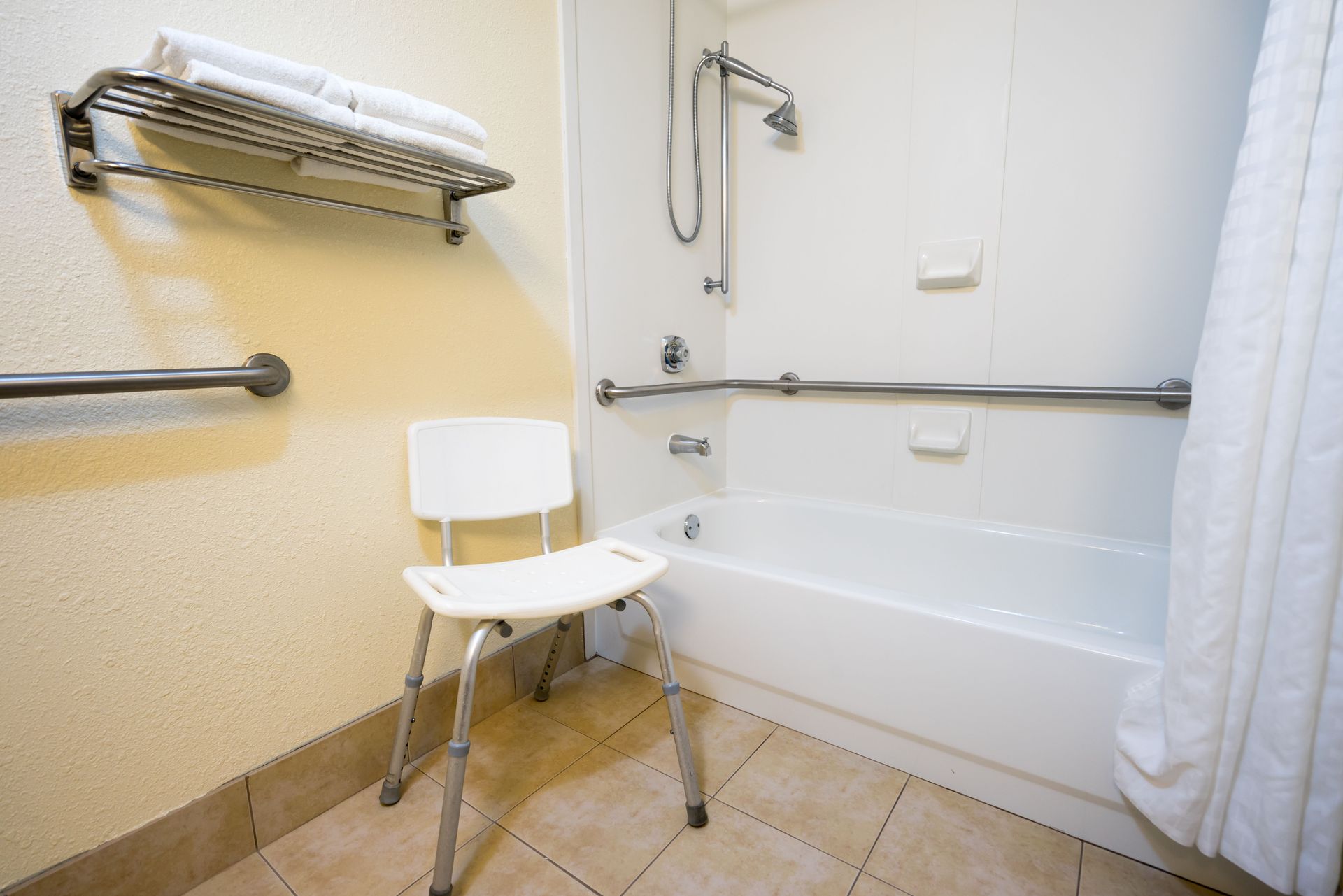
Barrier-free showers are a cornerstone of accessible design, offering smooth entry without curbs or steps. Features such as built-in seating, grab bars, and handheld showerheads increase usability. Many homeowners also explore walk in tub installation as a way to create a safer bathing option for those who struggle with standing for extended periods.
Accessible toilets should allow for easy transfers, with raised heights and sufficient side clearance. Sink and vanity adaptations, including open knee space and shallow basins, enable comfortable use from a seated position. These thoughtful adjustments reinforce dignity and independence.
4. Lighting and Visibility
Proper lighting improves safety and usability throughout the bathroom. Poor visibility can increase fall risks and make daily tasks more difficult.
General lighting should be bright, even, and shadow-free. Layered lighting strategies that combine overhead fixtures with wall-mounted lights enhance depth perception. Task lighting at mirrors and bathing areas supports grooming and hygiene tasks.
Automatic lighting controls, such as motion sensors or voice-activated systems, further enhance accessibility. These features reduce reliance on manual switches, benefiting individuals with limited dexterity or reach.
5. Integrated Safety Features
Safety-focused features protect users from common bathroom hazards and provide reassurance during daily use.
Anti-scald devices help regulate water temperature, preventing burns caused by sudden temperature changes. Emergency alert systems, including pull cords or wearable alerts, allow users to summon help quickly if needed. Rounded edges on countertops and fixtures reduce injury risks in the event of a slip or fall.
When combined, these safety measures create a bathroom environment that actively supports user well-being rather than reacting to accidents after they occur.
6. Personalization and Comfort Enhancements
Accessible bathrooms should not feel clinical or impersonal. Comfort and personalization play a vital role in long-term satisfaction.
Temperature regulation features such as heated floors, towel warmers, and effective ventilation contribute to a pleasant environment. Aesthetic choices, including colors, finishes, and textures, can be tailored to personal preferences without sacrificing accessibility.
Sensory-friendly design elements, such as soft lighting and minimal visual clutter, support users with sensory sensitivities. These choices create a calming, predictable space that encourages daily use with confidence.
7. Accessible Bathing Solutions
Bathing is one of the most challenging activities for individuals with mobility limitations, making thoughtful solutions essential. Many homeowners consider walk in tub installation to reduce fall risks while maintaining comfort and privacy. These tubs allow users to enter at floor level and bathe while seated. According to Bob Vila, the cost of walk-in tubs ranges from $1,500 to $12,000, with a national average of $4,000.
In addition to showers, walk in tub installation can be customized with therapeutic features such as hydrotherapy jets, heated seating, and easy-to-reach controls. Proper placement, plumbing considerations, and door sealing are critical to performance and safety. Working with experienced professionals helps ensure walk in tub installation aligns with both spatial requirements and user needs.
When planned correctly, walk in tub installation complements other accessibility upgrades, creating a cohesive and supportive bathroom layout. This approach allows homeowners to age in place while maintaining independence. For many families, walk in tub installation represents a long-term investment in safety and peace of mind.
8. Long-Term Maintenance and Usability
An often-overlooked aspect of accessible bathroom design is long-term maintenance. Accessibility features should not only meet immediate needs but also remain functional and reliable over time. Choosing high-quality materials and fixtures reduces the likelihood of frequent repairs that could temporarily compromise usability. Easy-to-clean surfaces, corrosion-resistant hardware, and sealed flooring joints all contribute to a bathroom that remains safe and functional for years.
Maintenance planning should also account for evolving mobility needs. As users age or experience changes in physical ability, adjustable or modular features become increasingly valuable. Grab bars that can be repositioned, adjustable showerheads, and flexible storage systems allow the bathroom to adapt without requiring a full renovation. This adaptability supports aging in place and minimizes long-term costs.
Routine inspections play an important role in preserving accessibility. Checking for loose grab bars, worn non-slip flooring, or malfunctioning lighting ensures that safety features continue to perform as intended. Preventive maintenance helps avoid unexpected hazards and reinforces confidence for daily use.
9. Professional Planning and Code Considerations
While many accessibility improvements can be visually appealing, they must also comply with applicable building codes and safety standards. Local regulations often dictate minimum clearances, fixture heights, and electrical requirements. Working with experienced professionals helps ensure that designs meet these standards while still aligning with personal preferences.
Professional planning also supports efficient project execution. Designers and contractors familiar with accessible environments can identify potential challenges early, reducing delays and costly revisions. Their expertise helps balance aesthetics, safety, and practicality, resulting in a bathroom that performs well under real-world conditions.
By combining thoughtful design, proper maintenance, and professional oversight, an accessible bathroom becomes more than a modified space—it becomes a dependable part of everyday living that supports comfort, safety, and independence well into the future.
Creating an accessible bathroom requires attention to detail across layout, flooring, fixtures, lighting, and safety features. Each element contributes to a space that supports independence, reduces risk, and enhances comfort. By integrating thoughtful design choices and solutions such as walk in tub installation, homeowners can accommodate a wide range of needs without compromising style. A well-designed accessible bathroom reflects a commitment to inclusivity, safety, and quality of life for every user. Contact our team at Fayer Family Accessibility Solutions today to get connected with our accessibility services.