April 28, 2026
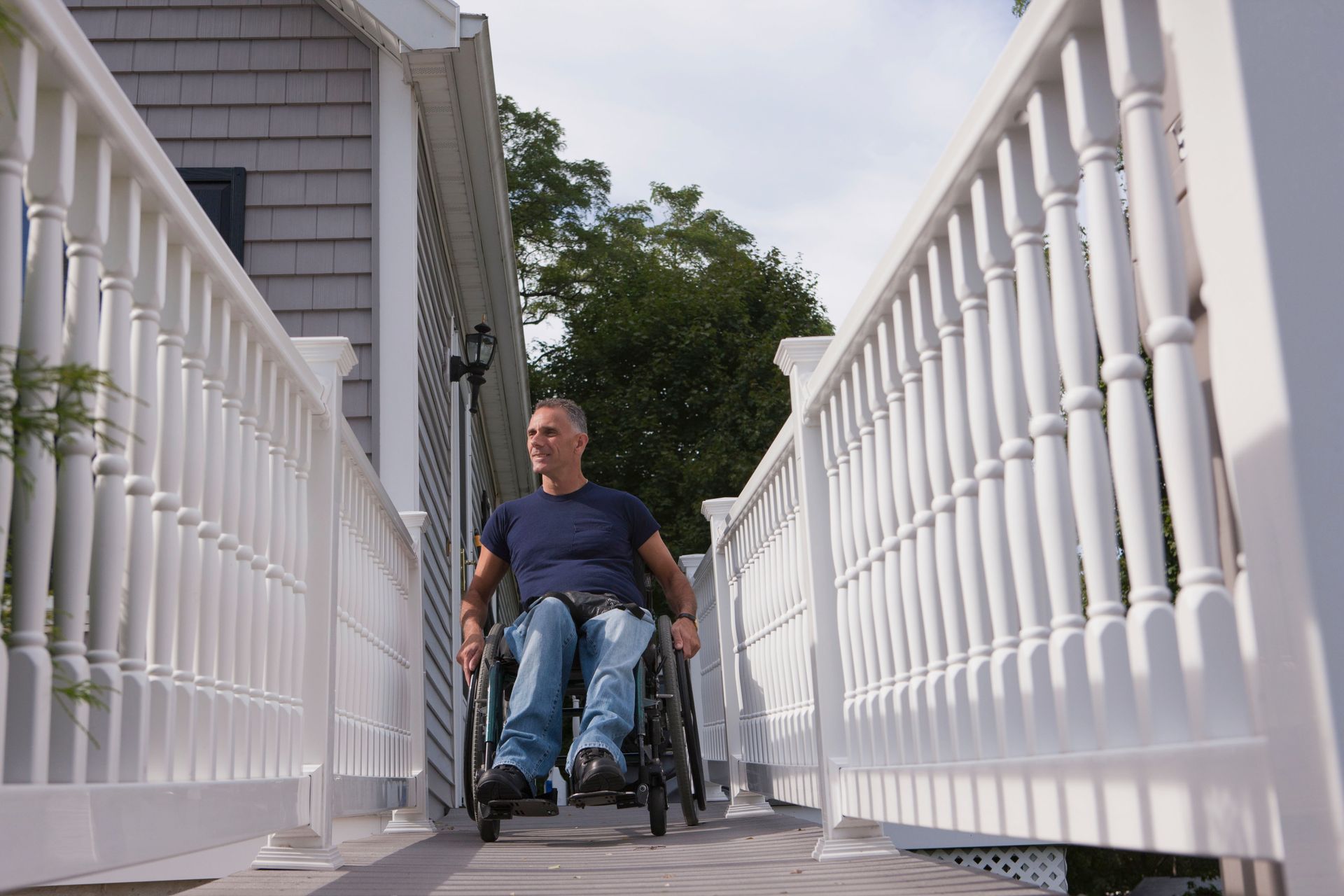
Creating a home environment that supports comfort, safety, and independence is essential for individuals with mobility challenges. One of the most impactful additions a homeowner can make is installing a wheelchair ramp. While often associated with public spaces, ramps in residential settings provide a level of convenience and accessibility that significantly improves daily living.
For many individuals, steps and uneven entryways present ongoing obstacles that limit movement and independence. A properly designed ramp removes these barriers, making it easier to enter and exit the home safely. Beyond functionality, it also enhances overall quality of life by promoting confidence and reducing reliance on others.
As accessibility continues to become a priority in modern home design, more families are recognizing the long-term benefits of investing in solutions that support mobility and inclusivity.
Improving Daily Accessibility And Convenience
One of the most immediate advantages of installing a wheelchair ramp is the improvement in daily accessibility. Navigating steps can be physically demanding and potentially unsafe, especially for individuals using mobility aids. A ramp provides a smooth, gradual transition that simplifies movement in and out of the home.
This convenience extends beyond just entryways. It allows individuals to move freely without needing assistance, creating a more independent lifestyle. For caregivers and family members, it also reduces the physical strain associated with helping someone navigate stairs.
Accessibility improvements benefit not only those who use wheelchairs but also individuals with temporary injuries, aging family members, and anyone who may struggle with mobility. By eliminating barriers, a ramp makes the home more inclusive and easier to navigate for everyone.
The ease of access provided by a ramp transforms everyday routines into more manageable and less stressful experiences.
Enhancing Safety And Reducing Fall Risks
Safety is a major concern in any home, particularly for individuals with limited mobility. Steps and uneven surfaces can increase the risk of slips and falls, which may lead to serious injuries. Installing a wheelchair ramp helps reduce these risks by providing a stable and secure pathway.
Ramps are designed with safety features such as non-slip surfaces and appropriate inclines, which help maintain balance and control during use. These features are especially important in wet or uneven conditions, where traditional steps can become hazardous.
By minimizing the need to navigate stairs, homeowners can significantly reduce the likelihood of accidents. This not only protects physical health but also provides peace of mind for both residents and their families.
A safer home environment encourages greater confidence in movement, allowing individuals to maintain independence without unnecessary risk.
Supporting Independence And Quality Of Life
Independence is a key factor in overall well-being, and accessibility solutions play a major role in supporting it. A wheelchair ramp allows individuals to move freely without relying on assistance, fostering a sense of control and self-sufficiency.
This increased independence can have a positive impact on mental and emotional health. Being able to enter and exit the home without barriers promotes confidence and reduces feelings of limitation or dependence.
For many individuals, the ability to manage daily activities independently is closely tied to their sense of dignity and personal freedom. A ramp helps preserve this autonomy, making it easier to maintain an active and engaged lifestyle.
By removing physical obstacles, homeowners create an environment that supports both physical mobility and emotional well-being.
Increasing Property Value And Appeal
Accessibility features are becoming increasingly valuable in residential properties. A home equipped with a wheelchair ramp appeals to a broader range of potential buyers, including those seeking inclusive and adaptable living spaces.
As awareness of accessibility needs grows, more buyers are looking for homes that can accommodate different stages of life. A ramp is a practical addition that demonstrates thoughtful design and long-term usability.
In addition to its functional benefits, a well-designed ramp can be integrated seamlessly into the home’s exterior, maintaining visual appeal while enhancing accessibility. This balance of form and function contributes to overall property value.
Homes that prioritize accessibility often stand out in the market, offering both immediate usability and future flexibility for a variety of needs.
Aligning With Accessibility Standards And Awareness
Accessibility is not only a personal consideration but also a broader societal priority. Standards and guidelines help ensure that spaces are usable for individuals with diverse mobility needs. While these standards are often associated with public spaces, they also influence residential design.
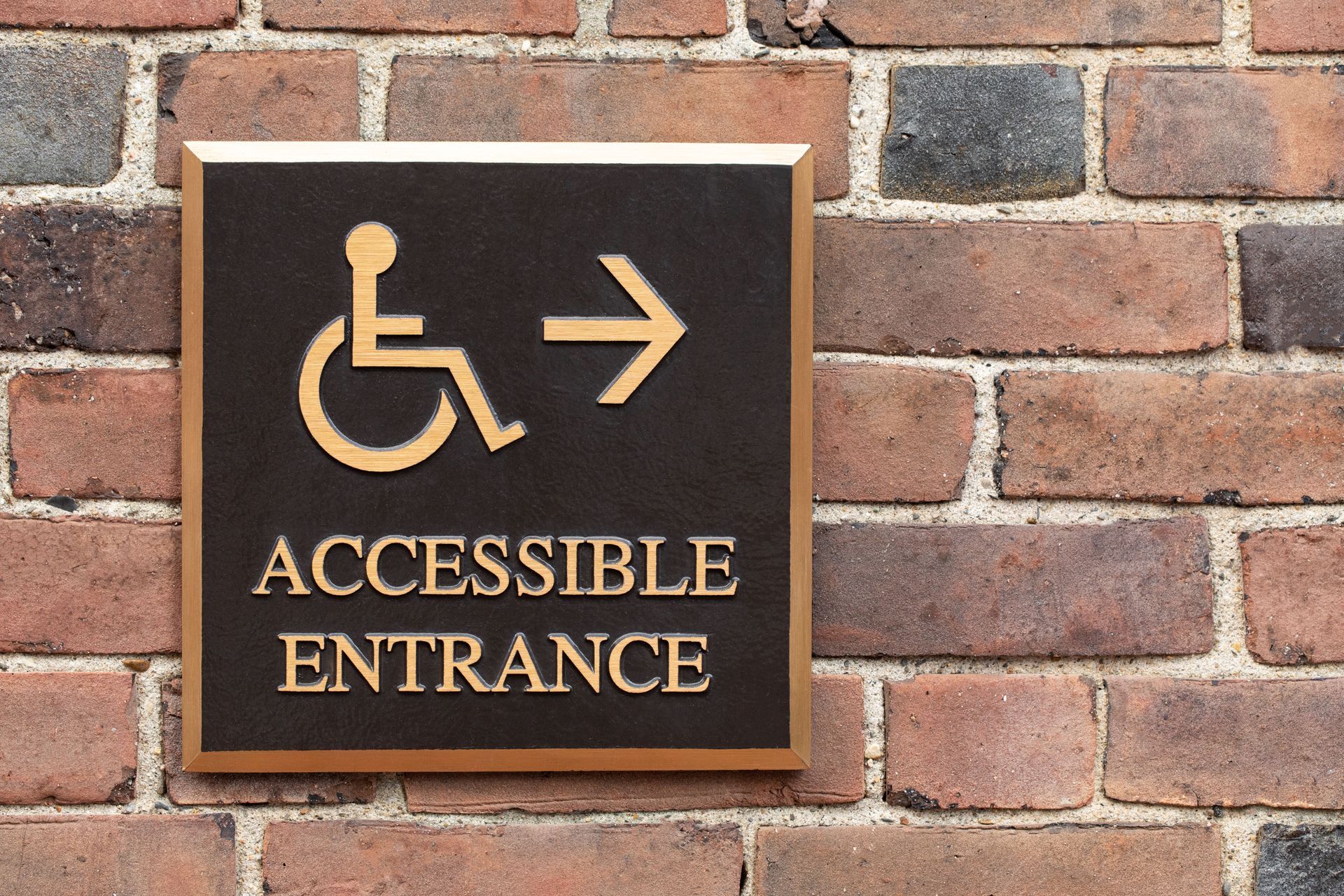
According to the ADA National Network, a minimum of 60% of public entrances to newly built facilities must be wheelchair-accessible.
This highlights the growing emphasis on accessibility across different environments. Bringing similar considerations into the home ensures that individuals can enjoy the same level of convenience and safety in their personal space.
Installing a wheelchair ramp reflects a commitment to inclusivity and forward-thinking design. It aligns with modern expectations for accessibility and demonstrates an understanding of the importance of accommodating diverse needs.
As awareness continues to grow, accessibility features are becoming a standard rather than an exception in both public and private spaces.
Customizing Design To Fit Your Home
Every home is unique, and accessibility solutions should be tailored to fit specific layouts and needs. A wheelchair ramp can be customized in terms of length, materials, and design to complement the home’s structure while meeting functional requirements.
Customization ensures that the ramp integrates seamlessly with existing architecture, maintaining both usability and visual appeal. Materials can be selected to match the home’s exterior, creating a cohesive look that enhances overall design.
In addition to aesthetics, customization allows for adjustments based on individual mobility needs. Factors such as slope, width, and handrail placement can be adapted to provide maximum comfort and safety.
Working with experienced professionals ensures that the ramp is designed and installed correctly, meeting both practical and regulatory requirements. This attention to detail results in a solution that is both effective and visually appealing.
A well-designed ramp becomes a natural extension of the home, providing accessibility without compromising style.
Installing a ramp at home is a meaningful investment in safety, independence, and long-term convenience. By improving accessibility, reducing risks, and supporting daily mobility, it enhances both the functionality and comfort of the living environment.
A wheelchair ramp is more than just a structural addition—it is a solution that promotes inclusivity and improves quality of life. As accessibility becomes an increasingly important consideration in home design, incorporating features that support mobility is both practical and forward-thinking.
Homeowners who prioritize accessibility create spaces that are adaptable, welcoming, and prepared to meet a variety of needs over time.
At Fayer Family Accessibility Solutions, we are dedicated to helping families create safer, more accessible homes with customized solutions designed to support independence, comfort, and long-term peace of mind. Our team takes a personalized approach to every project, carefully evaluating each home’s layout and the unique mobility needs of those who live there. We believe accessibility should never feel like an afterthought, which is why we focus on seamless designs that blend functionality with the overall look of your home. From initial consultation to final installation, we prioritize clear communication, quality craftsmanship, and attention to detail. Our goal is to ensure that every solution we provide enhances daily living while maintaining safety and ease of use. By combining experience with a deep understanding of accessibility needs, we help homeowners feel confident in their space and supported in their independence for years to come.