May 13, 2026
Installing a wheelchair ramp is a large project that involves a variety of factors. This article will guide you through the essential considerations to ensure safety, compliance, and functionality. Understanding these elements will help in creating an accessible and convenient environment for wheelchair users. Wheelchair ramps not only improve mobility but also provide a sense of independence and freedom to the users. Taking the time to carefully plan and understand the process can lead to a successful installation that serves the needs of the community.
Understanding Local Regulations and Permits
Before any construction begins, it's crucial to research and understand local building codes related to wheelchair ramps. These regulations ensure that the ramp is safe and accessible, complying with standards designed to protect users. Non-compliance could lead to fines, forced removal, or increased liability should an incident occur. Local government offices or building inspectors are typically the best resource for understanding these requirements, and many municipalities provide online documentation to simplify the process. Being informed about these codes ahead of time can prevent unnecessary issues during the installation process and help streamline approvals. It can also ensure that your project timeline stays on track without unexpected delays or redesigns.
In addition to building codes, permit requirements must be addressed. Permits are often needed for structural changes to a property, and wheelchair ramps are no exception. The permitting process usually involves submitting detailed plans of the proposed ramp design, including measurements and materials. After application, inspections may be required before, during, and after construction to ensure compliance. Working with a contractor familiar with local regulations can make this process smoother and reduce the likelihood of errors. Not obtaining the necessary permits can lead to legal ramifications and additional costs, including penalties or mandated reconstruction.
Ramps must adhere to ADA (Americans with Disabilities Act) standards to ensure they are functional and safe for all individuals, including those using wheelchairs. Specific measurements for slope, width, and handrails are dictated by ADA guidelines to prevent accidents and promote ease of use. For example, proper slope ratios are essential to ensure the ramp is not too steep for safe navigation. According to Brain&Life, it was found that only 5% of housing in the US is accessible, and only 1% can accommodate wheelchairs. Ensuring your ramp is ADA-compliant not only makes the property accessible but also supports inclusivity within the community and enhances long-term usability for a wider range of individuals.
Choosing the Right Ramp Design
The design of a wheelchair ramp should be tailored to the specific needs of the user. Various factors, such as mobility limitations and the frequency of use, must be considered when selecting a ramp design. Consulting with the primary user or their caregivers can provide valuable insights into what features the ramp must have to be most effective. The user’s comfort and safety should be the top priority when making these decisions. A well-thought-out ramp design will improve the user’s quality of life while reducing risks associated with accessibility.
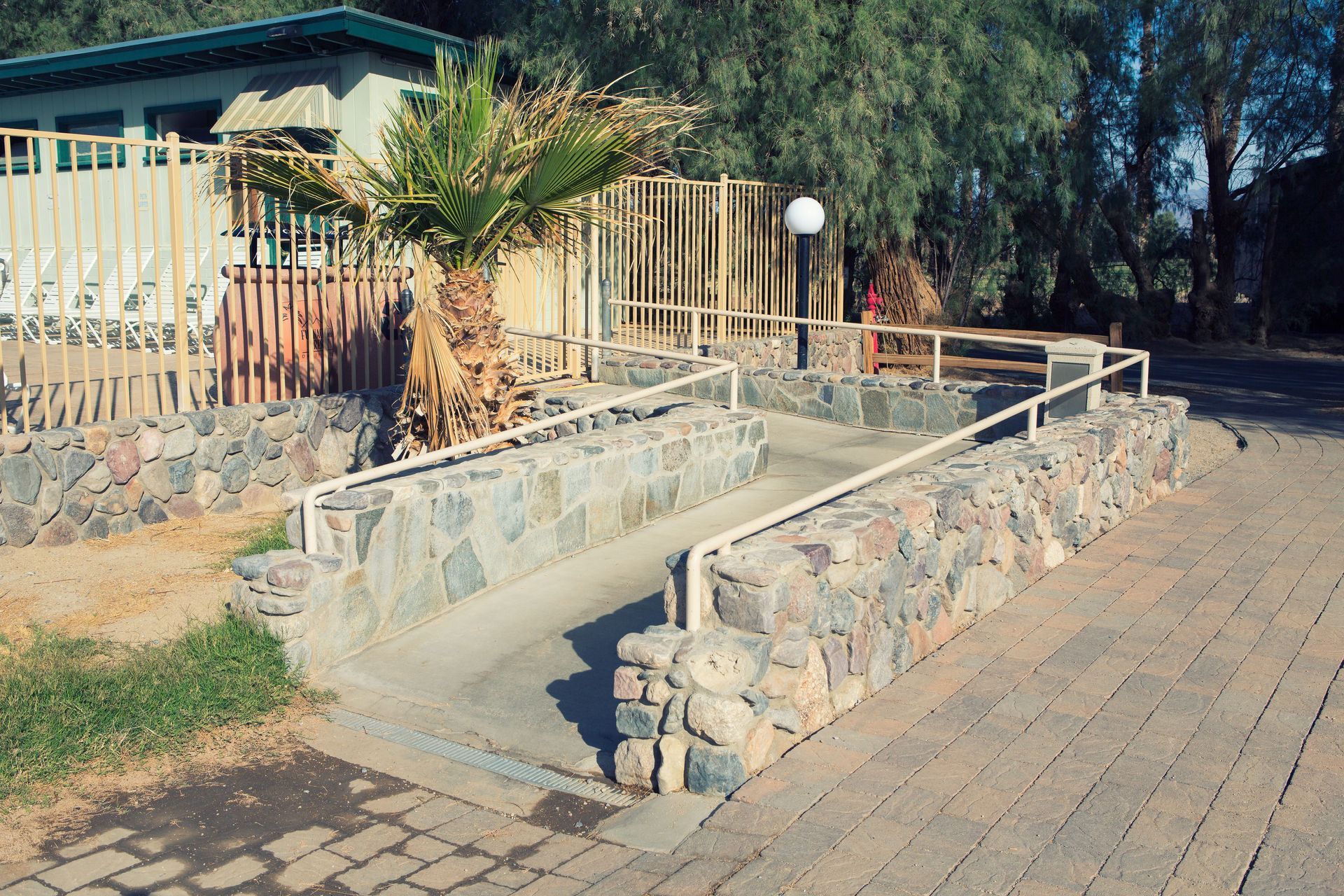
Slope and angle considerations are crucial in the design phase. The ADA recommends a slope ratio of 1:12, meaning for every inch of height, there should be at least 12 inches of ramp run. This ensures a gradual incline that is safe for wheelchair users to traverse. Steeper inclines can be dangerous, potentially causing wheelchairs to tip over or users to lose control. Measuring the height of the entry point and calculating the corresponding ramp length will ensure a safe and compliant installation.
Material selection for the ramp is another significant decision. Common materials include wood, aluminum, steel, and concrete, each with its pros and cons in terms of cost, durability, and maintenance. Weather conditions in your area might influence material choice, as some materials hold up better against certain climatic conditions. Additionally, a removable ramp may be preferable for temporary needs, whereas a permanent structure offers long-term solutions.
Estimating Cost and Budgeting
Materials and labor costs of a wheelchair ramp can vary significantly depending on size, materials chosen, and geographic location. Generally, labor might account for a substantial portion of the total cost, especially if professional installation is required. It's wise to gather multiple quotes from contractors to ensure competitive pricing. Adequately allocating funds for the ramp ensures that the project progresses smoothly without financial shortfalls.
In addition to construction costs, potential expenses related to permits and inspections must be considered. Permit fees vary by location and can impact the overall budget. Inspections may also incur additional costs either during or after construction. However, these costs are necessary to ensure compliance with regulations and standards. Failure to properly budget for permits and inspections can lead to unforeseen financial burdens and project delays.
Many homeowners may be eligible for funding assistance or grants when installing accessibility features. Government programs, charitable organizations, and non-profit agencies often offer financial aid for accessibility improvements. Researching and applying for these funds can significantly reduce out-of-pocket expenses. Allocating time to explore these options can be beneficial, particularly for those with limited financial resources. Funding availability can vary, so staying informed about all potential funding sources is recommended.
Planning and Preparing the Site
Proper site preparation and planning are essential steps to take before ramp construction begins. The first step is to measure and map out the area where the ramp will be installed. Accurate measurements ensure that the ramp will fit correctly and comply with all regulations. Ample space is required for the ramp to slope gradually and meet ADA standards. Careful planning can significantly reduce the likelihood of needing costly adjustments during the construction phase.
Environmental impact and landscaping considerations should also be part of the planning process. The installation of a ramp may affect the existing landscape, requiring adaptations to maintain aesthetic appeal and functionality. Changes might include relocating plants, altering drainage patterns, or integrating the ramp into existing terrain features.
The presence of utilities and existing structures is another factor to consider when planning the site. It's essential to identify and account for any underground utilities that might be affected by the ramp installation. Furthermore, the proximity of other structures can influence the placement and design of the ramp. For example, certain structures might require additional clearance space for safe use.
Maintaining the Ramp
Once a wheelchair ramp is installed, regular maintenance and upkeep are vital to ensure it remains safe and functional. Routine inspections are a good practice to identify any wear and tear or potential hazards early. Checking for signs of damage, such as cracks, loose handrails, or shifting, helps prevent accidents. Repairing and making improvements to the ramp over time can enhance its usability and prolong its service life.
Assessing the need for repairs, such as fixing loose bolts or replacing worn sections, is essential for maintaining the structural integrity. Upgrading or modifying the ramp to incorporate new safety features or materials can also be beneficial. Keeping abreast of any updates in compliance standards is important to maintain the ramp's legality and safety. These steps ensure that the ramp continues to serve its intended purpose effectively.
Installing a wheelchair ramp requires careful planning and consideration of various factors such as regulations, cost, design, and maintenance. By understanding these critical elements before undertaking such a project, you can ensure the ramp is safe and enhances accessibility for all users. A well-installed wheelchair ramp can significantly improve mobility and quality of life for those who rely on it. By investing time in preparation and understanding the complete process, potential complications can be minimized. Get in touch with Fayer Family Accessibility Solutions for wheelchair ramp solutions with thoughtful design and execution.