April 6, 2026
This article explores important aspects of stair lift installations, covering safety measures and financial considerations to ensure a smooth installation.
Understanding Stair Lifts
What is a Stair Lift?
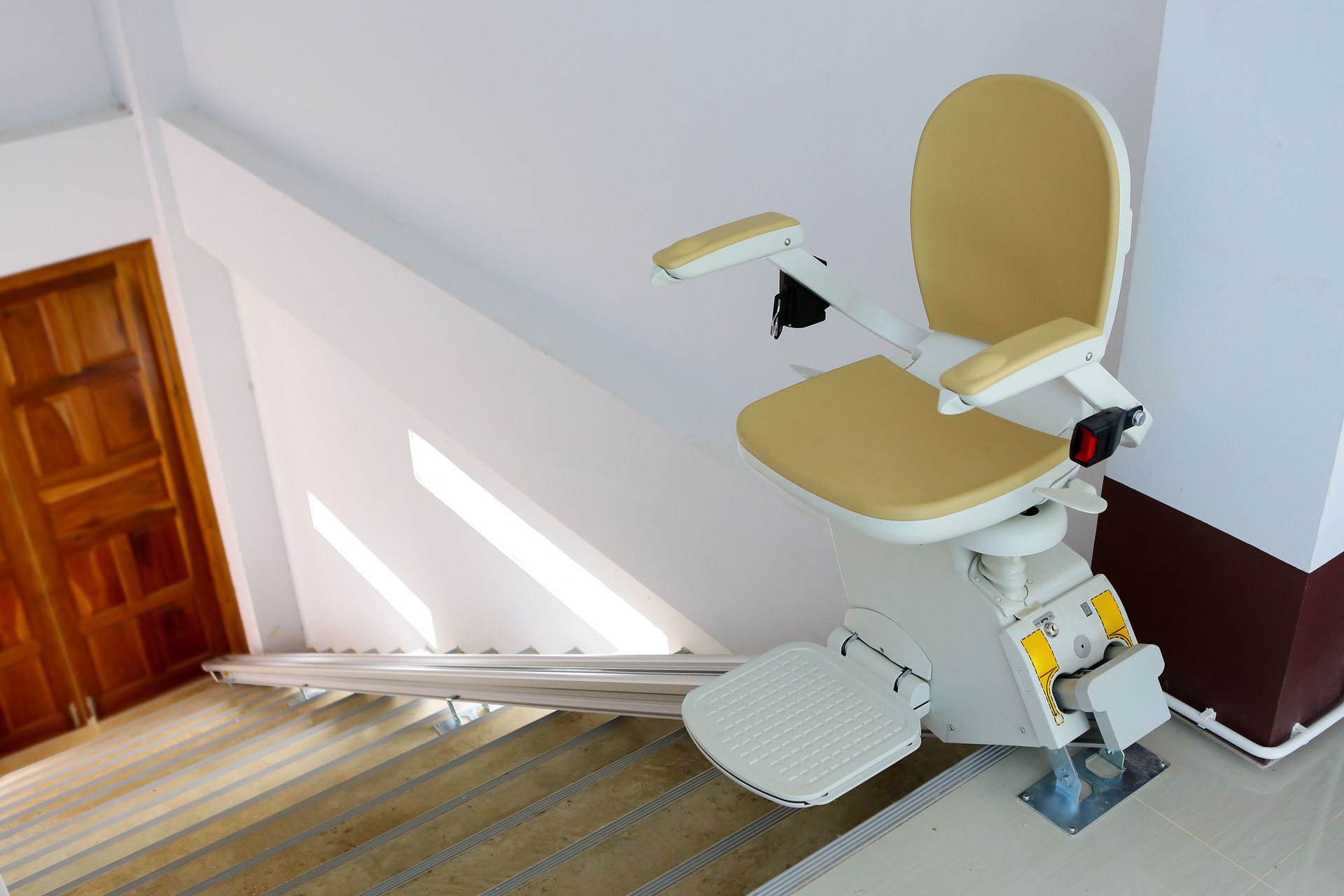
A stair lift is a mechanical device designed to assist individuals with mobility challenges in moving up and down stairs safely and efficiently within a home or commercial building. The system generally involves a chair or platform attached to a rail that is fitted to the staircase. Stair lifts cater primarily to those with disabilities, such as arthritis, balance issues, or other impairments that impact their ability to use stairs. The need for stair lifts is especially pronounced given that, according to the CDC, 12.1% of adults in the United States have a mobility disability with serious difficulty walking or climbing stairs. Understanding the basic components and functionality of stair lifts is crucial for anyone considering their installation in an environment that requires enhanced accessibility.
Types of Stair Lifts
Several types of stair lifts are available, catering to different architectural configurations and user needs. The most common types include straight stair lifts, curved stair lifts, outdoor stair lifts, and platform lifts. Straight stair lifts are designed for stairs without any bends or turns and are the most straightforward to install, thus usually being the least expensive option. Curved stair lifts, on the other hand, are custom-built to accommodate stairs with curves, landings, or unusual configurations. Aside from indoor applications, outdoor stair lifts are specifically designed to withstand weather elements, ensuring safe usage along external staircases.
Key Components of Stair Lifts
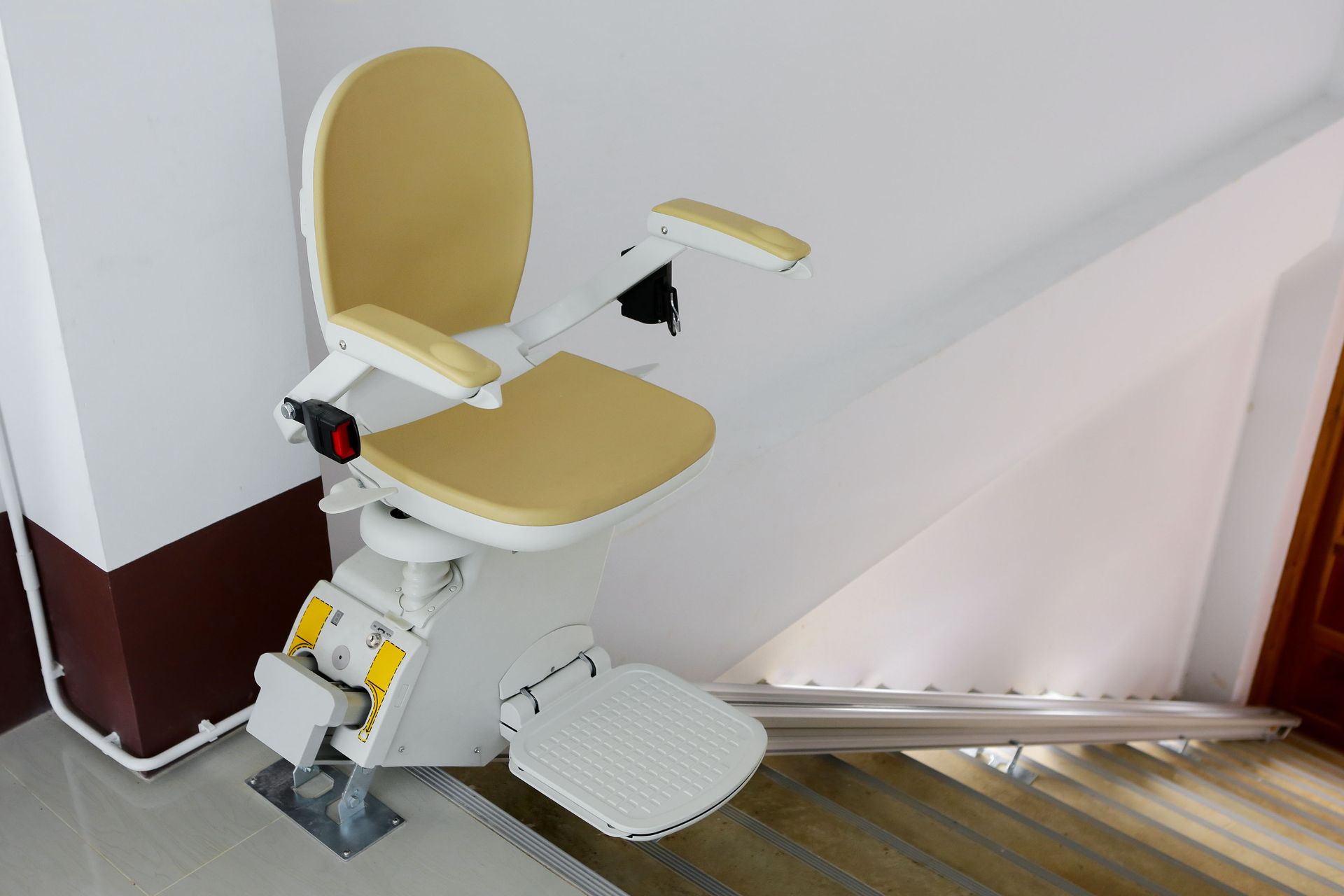
The primary components of a stair lift include the seat or platform, track, power source, and drive system. The seat or platform is where the user sits or stands and may include features such as safety belts, swivel seats, and adjustable height options for comfort and security. The track acts as the guiding rail along the staircase, typically mounted to the stairs or wall. A stair lift is usually powered by a rechargeable battery or connected directly to the home's electrical system, ensuring consistent functionality. Furthermore, the drive system, which can be rack and pinion or cable-driven, enables the movement of the seat or platform along the track, controlled by user-operated buttons or a joystick.
Choosing the Right Stair Lift for Your Needs
Selecting the appropriate stair lift involves careful consideration of the user's specific requirements, the design of the staircase, and budget constraints. It is essential to evaluate the user's mobility needs, such as whether they require a seated or standing platform, and what weight capacity is necessary. Furthermore, the staircase itself must be assessed to determine if a straight or curved stair lift is more appropriate, as this will directly impact the cost and complexity of the installation. Engaging with professional installers or receiving a comprehensive in-home assessment can provide clarity and ensure the right product selection. Lastly, understanding budget limitations and exploring financing or insurance options can make the purchasing process more manageable.
Safety Considerations
Safety Features to Look For
When selecting a stair lift, several safety features should be prioritized to ensure the well-being of the user during operation. Key safety components include seat belts or harnesses that prevent the user from falling during transit. Additionally, swivel seats that lock into position provide ease of access when getting on and off the stair lift. Another critical feature is the presence of obstruction sensors that automatically halt the lift if an object is detected on the stairs, preventing accidents. Lastly, a key switch is a valuable addition, allowing only authorized individuals to operate the stair lift, thereby safeguarding against unauthorized use.
Regulatory Compliance and Standards
Stair lifts must adhere to specific regulatory standards to ensure they meet safety and quality benchmarks. In the United States, these include compliance with the American Society of Mechanical Engineers (ASME) safety standards. Ensuring that the stair lift complies with all local laws and building codes is crucial to prevent legal issues and safety risks. Reputable manufacturers and installers typically certify their products and installations meet established safety standards. These certifications provide consumers with assurance and peace of mind that their stair lift is both reliable and safe to use.
Common Safety Concerns
While stair lifts are designed to enhance safety, certain concerns still exist and must be managed proactively. One major issue is the potential for mechanical failure, which can lead to abrupt stops or a malfunction of the lift mechanism. Regular maintenance and servicing are vital to mitigating this risk and ensuring consistent performance. Another safety concern is related to the improper use of the lift, especially if guidelines are not followed, which could lead to accidents. Educating users and caregivers on proper operation and maintenance routines is essential to maintaining a safe environment.
Emergency Protocols and Preparedness
Establishing clear emergency protocols is a critical aspect of stair lift safety, prepared for situations where the lift may malfunction or stop unexpectedly. Users should be trained on how to use manual override systems safely to ensure they can reach a safe position in case of electrical or mechanical failure. Additionally, familiarizing users with emergency contact information for service providers enables prompt assistance when needed. Implementing regular emergency drills or briefings is beneficial for users and caregivers, enhancing readiness and response capability. Preparedness measures provide reassurance, enabling users to operate the stair lift with confidence.
Cost Factors
Pricing Models: New vs. Used
When considering a stair lift, cost is a significant factor, with pricing models generally reflecting whether the unit is new or used. Purchasing a new stair lift typically incurs higher initial costs, but comes with warranties and the assurance of unblemished, up-to-date safety features. Used stair lifts present a more affordable option, though they may require more frequent maintenance and might lack the latest safety enhancements. Buyers interested in used models should ensure they are refurbished and meet current safety standards. Weighing the benefits and drawbacks of each option can help users make an optimal purchasing decision based on their financial situation and usage needs.
Installation Costs and Fees
In addition to the cost of the stair lift itself, installation expenses should be carefully considered, as they can vary based on the complexity of the staircase. Straight stair lifts generally incur lower installation costs due to their straightforward design, whereas curved stair lifts require custom manufacturing, increasing both cost and installation time. Installation fees typically encompass labor, materials, and any modifications necessary to ensure compliance with safety standards. Seeking quotes from multiple service providers can provide a comprehensive understanding of potential costs and facilitate negotiation for better terms. Being informed about possible additional fees such as permits or inspections is also beneficial to avoid unexpected expenses.
Potential Hidden Expenses
Potential hidden expenses in stair lift installations can impact the overall budget if not anticipated. These may include costs associated with structural modifications needed to accommodate the installation, especially in cases of unusually designed staircases. Additionally, ongoing maintenance and repair costs should be factored into the long-term financial planning for stair lift installations. Legal fees related to compliance with building codes and local regulations may also arise unexpectedly. Being knowledgeable about these potential hidden costs can prepare users to manage their financial resources effectively throughout the ownership of a stair lift.
Financial Assistance and Insurance
For many, financial assistance and insurance coverage can significantly alleviate the cost burden associated with stair lift installations. Various programs and organizations provide grants and funding for individuals with disabilities, aiming to enhance accessibility and quality of life. Medicare and Medicaid may also offer coverage for stair lifts, dependent on the individual's specific medical and financial situation. Furthermore, certain insurance policies, particularly long-term care insurance, may cover part or all costs related to stair lifts. Exploring these financial support options can make stair lifts more accessible to those on limited budgets.
As you can see, there are many financial and safety aspects to consider about a
stair lift installation. If you're looking for a new stair lift for your home for you or a loved one, contact Fayer Family Accessibility Solutions today.