June 12, 2026
Designing homes that serve residents of different ages, abilities, and lifestyles is an important part of modern living. A well-planned home should feel comfortable, safe, and easy to use for everyone who lives there. Inclusive design focuses on creating spaces that support daily routines while allowing residents to move, rest, work, and gather with confidence. An inclusive home is not only about physical access. It also supports emotional comfort, independence, and long-term well-being. When rooms are easier to navigate and features are easier to use, residents can feel more secure and less limited by their surroundings. A home accessibility modification company can help homeowners understand which changes will make the greatest difference for daily life.
Resident Needs
Every household has different needs based on age, mobility, family structure, and lifestyle. Some homes include young children, older adults, people with disabilities, or several generations living together. Each person may need different levels of support, privacy, storage, and movement space. Thoughtful planning helps the home function well for everyone instead of only meeting one resident’s needs.
Families may need open gathering areas, safer bathrooms, wider pathways, and bedrooms that can adapt over time. Older residents may benefit from step-free entries, easier access to main living areas, and fixtures that reduce strain. A home accessibility modification company can evaluate how each space is used and recommend changes that support both comfort and independence.
Accessibility Planning
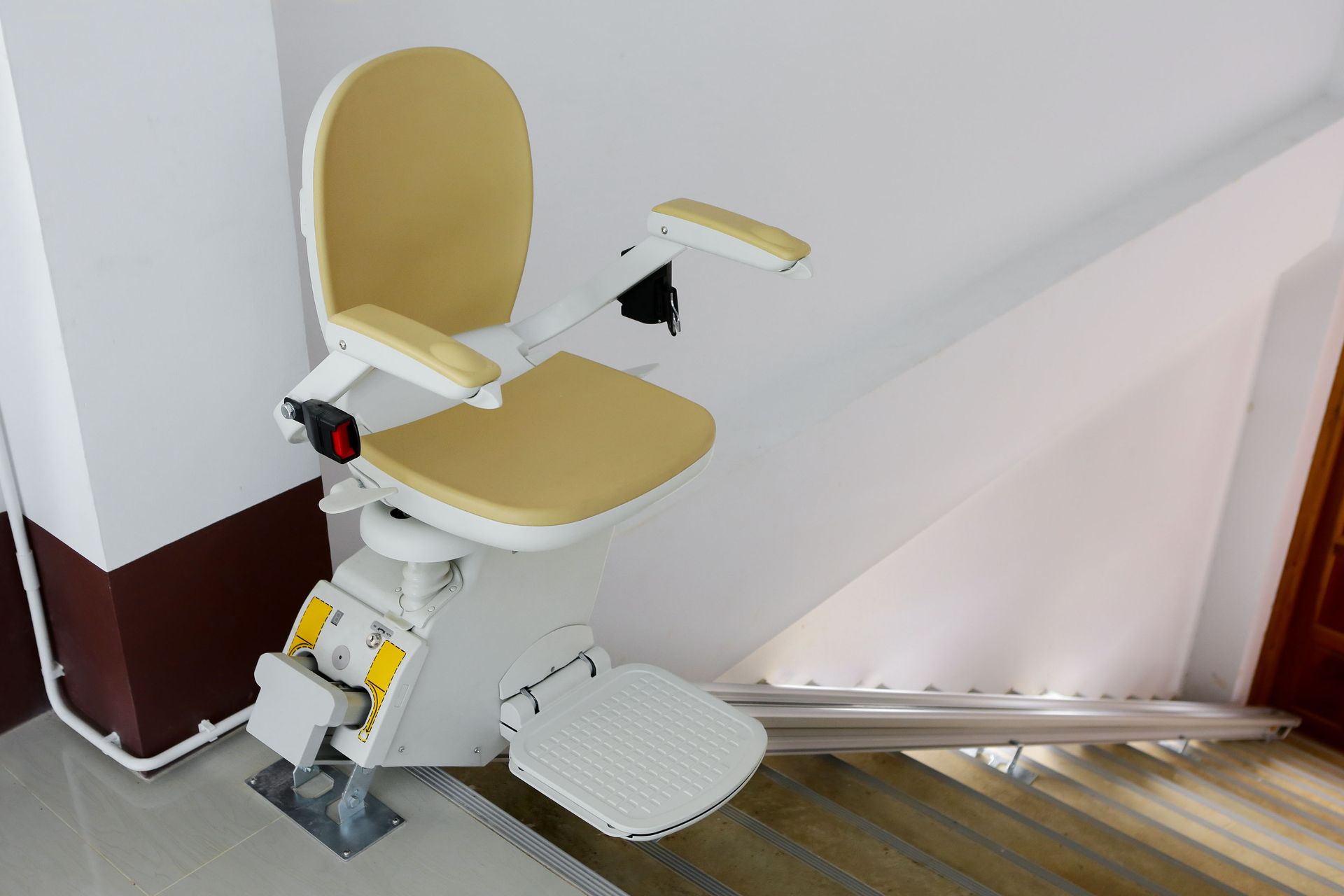
Accessibility should be considered throughout the entire home, not only in one room. Entrances, hallways, bathrooms, kitchens, bedrooms, and outdoor areas all affect how easily residents can move through the space. Features such as wider doorways, lever-style handles, grab bars, ramps, and accessible showers can make daily routines safer and more manageable.
Good accessibility planning also considers future needs. A homeowner may not need every modification today, but mobility needs can change over time. According to the Equal Rights Center, less than 5% of housing in the U.S. is accessible to people with disabilities, which highlights the growing need for thoughtful home modifications that support long-term independence and usability. Designing with long-term use in mind can help reduce the need for major renovations later. Working with a home accessibility modification company allows homeowners to make practical upgrades that blend function with the existing style of the home.
Flexible Living Spaces
Modern homes need to support many different activities. A room may function as an office during the day, a family space in the evening, and a guest area when relatives visit. Flexible layouts make homes more useful because they allow spaces to change as household needs change. Open floor plans, movable furniture, and built-in storage can all improve adaptability.
Flexibility is especially useful in smaller homes where every square foot matters. A dining area can double as a workspace, a spare room can become a caregiver suite, and a living room can be arranged to allow better mobility. These design choices help residents enjoy more freedom without requiring a larger home.
Bathroom Safety
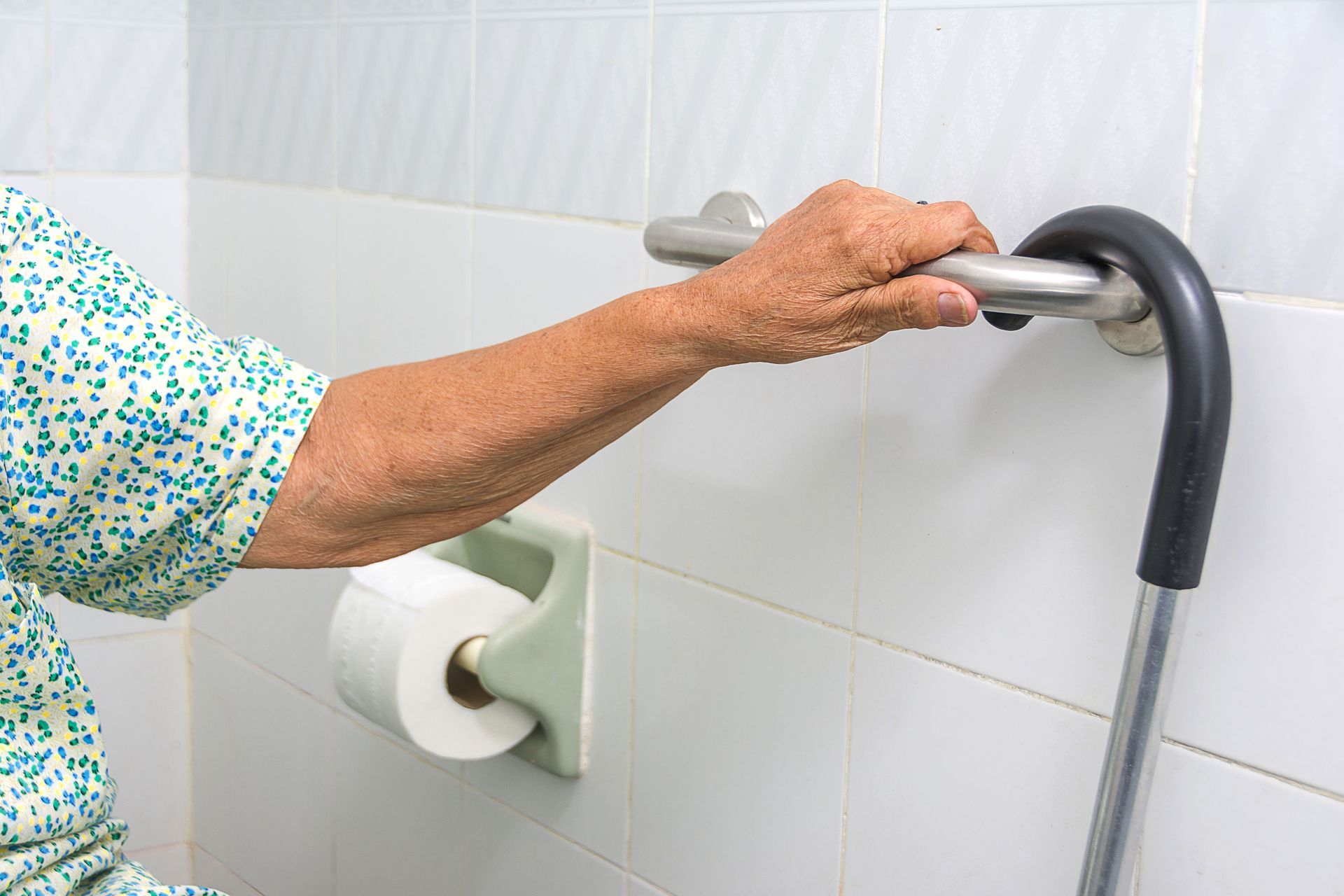
Bathrooms are one of the most important areas to address when improving accessibility. Slippery surfaces, tight layouts, high tub walls, and poorly placed fixtures can create safety concerns for residents with limited mobility. Walk-in showers, grab bars, comfort-height toilets, non-slip flooring, and handheld showerheads can help make the bathroom safer and easier to use.
A well-designed bathroom should support independence while reducing the risk of falls. Clear floor space, proper lighting, and accessible storage also make daily routines more comfortable. A home accessibility modification company can help identify which bathroom upgrades provide the best balance of safety, usability, and visual appeal.
Kitchen Functionality
The kitchen should be easy to move through, reach, and use. Accessible kitchen design may include lower countertops, pull-out shelves, reachable cabinets, open knee space, and appliances placed at safer heights. These features help residents prepare meals and complete daily tasks with less strain.
Kitchen accessibility also depends on layout. Clear pathways, good lighting, and organized storage can make the space more efficient for everyone. When a kitchen is designed around real household routines, it becomes more comfortable for cooking, gathering, and everyday living.
Entryway Access
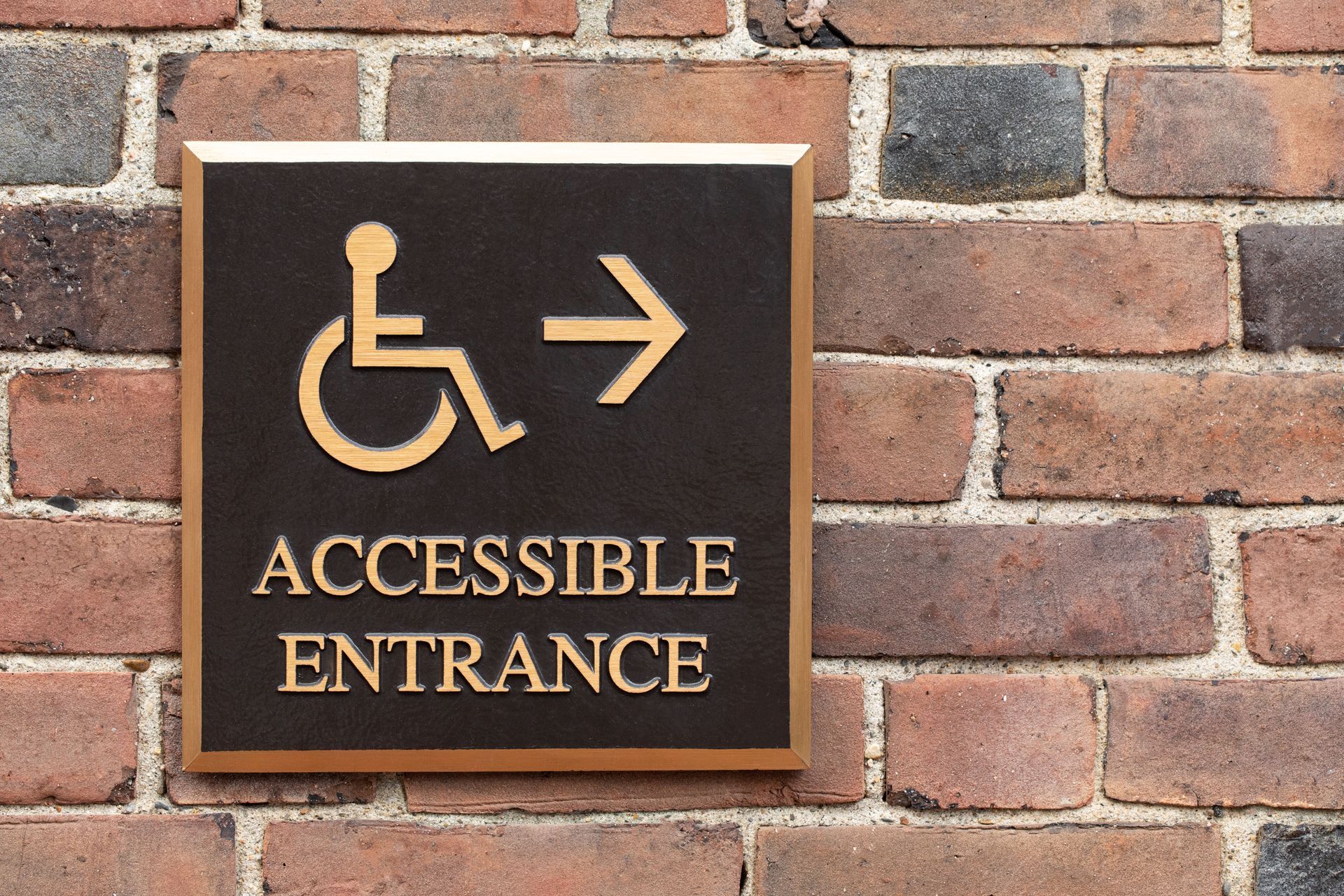
The entrance to a home should feel welcoming and safe. Steps, uneven walkways, narrow doors, and poor lighting can make entry difficult for residents and visitors. Ramps, gradual walkways, handrails, threshold adjustments, and better exterior lighting can improve access while maintaining curb appeal.
Entryway improvements are especially important for residents who use wheelchairs, walkers, canes, or other mobility aids. These updates also help families carrying groceries, parents with strollers, and guests with temporary injuries. A home accessibility modification company can design entry solutions that improve safety without making the home feel clinical or institutional.
Safety and Security
Safety is a central part of inclusive home design. Proper lighting, clear pathways, secure locks, smoke alarms, and emergency communication features can all support peace of mind. Smart home technology can also help residents control lighting, doors, thermostats, and security systems more easily.
Simple changes can have a major impact on daily comfort. Removing tripping hazards, improving visibility, and placing controls within reach can reduce stress and help residents feel more confident. A safer home allows people to focus on living comfortably instead of worrying about preventable accidents.
Comfort and Well-Being
A home should support emotional wellness as much as physical comfort. Natural light, quiet spaces, comfortable room temperatures, and access to outdoor areas can all improve the way residents feel at home. Spaces for both connection and privacy help households maintain balance.
Personalization also matters. Residents should be able to arrange furniture, choose colors, and adapt rooms in ways that reflect their needs and preferences. Inclusive design works best when it feels personal, warm, and natural rather than purely functional.
Long-Term Home Value
Accessibility upgrades can also support long-term property value. As more homeowners plan to age in place, homes with safer layouts and adaptable features may appeal to a wider range of buyers. Practical modifications can make the property more livable now while preparing it for future needs.
A home accessibility modification company can help homeowners choose updates that improve daily life while supporting lasting usability. From bathrooms and kitchens to entrances and living spaces, each improvement can make the home more comfortable, flexible, and welcoming for all residents.
Inclusive Home Design
Designing for all residents means creating a home that respects independence, safety, comfort, and changing needs. The best homes are not only beautiful but also practical, adaptable, and supportive. With thoughtful planning and the right modifications, homeowners can create spaces that help every resident feel secure, included, and at ease.
Technology and Smart Home Features
Modern technology can make inclusive homes even more functional and convenient for residents with different needs. Voice-controlled systems, automatic lighting, smart thermostats, and remote-controlled door locks can help residents manage daily tasks more independently. These features are especially helpful for individuals with mobility limitations, vision concerns, or difficulty reaching traditional controls. Smart home tools can also improve energy efficiency and simplify everyday routines.
Technology can also support communication and safety within the home. Video doorbells, emergency alert systems, and motion-sensor lighting can provide additional peace of mind for both residents and caregivers. When integrated carefully, these systems enhance comfort without making the home feel overly technical. A home accessibility modification company can recommend smart home upgrades that work alongside physical accessibility improvements to create a safer and more supportive living environment.
Inclusive design is an investment in quality of life. Whether a household needs immediate accessibility upgrades or wants to prepare for the future, careful improvements can make daily living easier and more enjoyable. A home accessibility modification company can guide these changes so the finished home works better for everyone who uses it.