February 12, 2026
Creating an accessible living space is more than a convenience. It is essential for individuals with mobility challenges or disabilities. An accessible home ensures that every area is safe and usable, promoting independence and dignity for all residents. As the population ages and accessibility needs grow, modifications that improve mobility and safety are increasingly important. According to Brain & Life, it was found that only 5% of homes in the U.S. are accessible, and only 1% can accommodate wheelchairs. By implementing thoughtful changes, homeowners can transform their living spaces into environments that accommodate diverse abilities while enhancing daily life. Incorporating these adjustments often involves planning, evaluating current layouts, and considering how residents interact with each space on a daily basis, ensuring that accessibility improvements are both practical and comfortable.
1. Entryway Modifications for Accessibility
Ramps and Slopes
Entryways are often the first barrier for individuals with mobility challenges. Installing ramps allows for safe, easy access to the home, especially for wheelchair or walker users. Properly designed ramps with gentle slopes improve safety while providing convenience for all residents, including families with strollers or heavy items. In addition, ramps can be designed to complement the home's exterior, using materials and finishes that enhance curb appeal while remaining functional. Even small adjustments, like handrails or gradual inclines, can make a noticeable difference in day-to-day accessibility and comfort. Homeowners often find that ramps improve overall accessibility for visitors and delivery personnel as well, making daily comings and goings smoother when advised by a home accessibility modification company.
Widening Doorways
Narrow doorways can limit mobility and independence. Expanding doorways to at least 32 inches ensures smooth passage for wheelchairs and mobility aids. This simple adjustment not only enhances accessibility but also creates a more open, inclusive environment. Wider doorways can improve the flow of the home, allowing furniture, equipment, or other items to be moved more easily. Homeowners often notice that wider entry points reduce congestion in frequently used areas and make spaces feel more comfortable. These improvements also complement other accessibility modifications, creating a cohesive and functional layout throughout the home, as recommended by a home accessibility modification company.
2. Kitchen Modifications
Lowered Countertops and Roll-under Sinks
Kitchens can pose significant challenges for individuals using wheelchairs or mobility aids. Lowering countertops and installing roll-under sinks make meal preparation and daily chores more accessible, allowing users to engage fully with their surroundings. Adjustments like these often improve the ergonomics of the space, reducing bending or stretching and making cooking and cleaning less physically demanding. Thoughtful planning can ensure these changes integrate well with existing cabinetry and appliances, creating a cohesive and functional kitchen layout. These modifications can also encourage participation from multiple household members, promoting inclusivity and independence in meal preparation with guidance from a home accessibility modification company.
Easy-to-Grasp Handles and Cabinet Hardware
Replacing small or intricate knobs with larger, easy-to-grip handles reduces strain and enhances usability. This adjustment ensures that kitchen storage is accessible, promoting independence and efficiency. The choice of handles can complement the kitchen's design, offering both functionality and a polished appearance. Consistent hardware throughout the space creates familiarity, making everyday tasks smoother and more intuitive. These enhancements support other accessibility modifications, ensuring that residents can complete daily routines with ease and minimal physical effort. Working with a home accessibility modification company helps ensure these features are installed correctly and meet individual accessibility needs.
3. Bathroom Accessibility Solutions
Walk-in Tubs and Roll-in Showers
Walk-in tubs and roll-in showers eliminate high thresholds, providing safer bathing options. Features such as built-in seating allow users to bathe comfortably, reducing the risk of slips and falls and promoting confidence in daily routines. These modifications can be customized to fit the size and layout of a bathroom, making the space feel more open and user-friendly. The careful placement of fixtures and seating ensures bathing remains accessible while maintaining a comfortable, relaxing environment. Homes with these upgrades often experience enhanced usability for multiple residents, making shared bathrooms safer and more convenient for everyone when implemented by a home accessibility modification company.
Grab Bars and Safety Rails
Grab bars and safety rails installed near toilets, tubs, and showers provide essential support. Properly positioned and securely anchored, they enhance stability and reduce the likelihood of accidents. By offering multiple points of support, these features give residents more control over movements and can help reduce strain during daily tasks. Their presence creates a more reassuring environment, helping residents feel confident and secure when moving throughout the bathroom.
4. Bedroom Accessibility Solutions
Lower Bed Frames and Adjustable Beds
Lower bed frames and adjustable beds support safe and comfortable transitions between standing and lying down. Adjustable beds allow users to tailor positioning for mobility or comfort, enhancing sleep quality and independence. Positioning considerations, such as proximity to accessible pathways or storage, can further improve convenience. With these modifications, bedrooms can accommodate a wide range of needs while remaining cozy and inviting. These changes often enhance the overall layout of the room, making movement easier and more fluid throughout the space.
Safe and Comfortable Flooring
Bedroom flooring should provide stability without impeding mobility aids. Low-pile carpeting or non-slip surfaces ensure safe movement and minimize the risk of falls. Additional factors, such as cushioning and visual contrast, enhance both safety and comfort. Thoughtful flooring choices create a foundation that supports daily routines and contributes to a sense of security throughout the room. When combined with other bedroom modifications, safe flooring strengthens the overall accessibility of the space.
5. Living Area Accessibility
Furniture Arrangement for Easy Mobility
Open pathways and strategic furniture placement ensure safe movement for wheelchairs or walkers. A clutter-free layout reduces tripping hazards and creates a more inclusive environment for all residents. Planning furniture placement with accessibility in mind improves social interaction and comfort within the living area. Clear lines of sight and unobstructed access make everyday tasks and gatherings more pleasant and manageable. Combined with other accessibility modifications, thoughtful furniture arrangement contributes to a fully navigable and welcoming home, as advised by a home accessibility modification company.
Non-Slip Rugs and Low-profile Furniture
Using non-slip rugs and selecting low-profile furniture, such as ottoman-style tables, enhances safety while maintaining a welcoming aesthetic. These choices prevent accidents and contribute to an accessible living space. Combining practical design with visual appeal ensures that the area remains inviting and comfortable while meeting the needs of residents with varying mobility levels. Together, these adjustments complement ramps, widened doorways, and other modifications to create a cohesive environment, which can be guided by a home accessibility modification company.
6. Structural Modifications for Independence
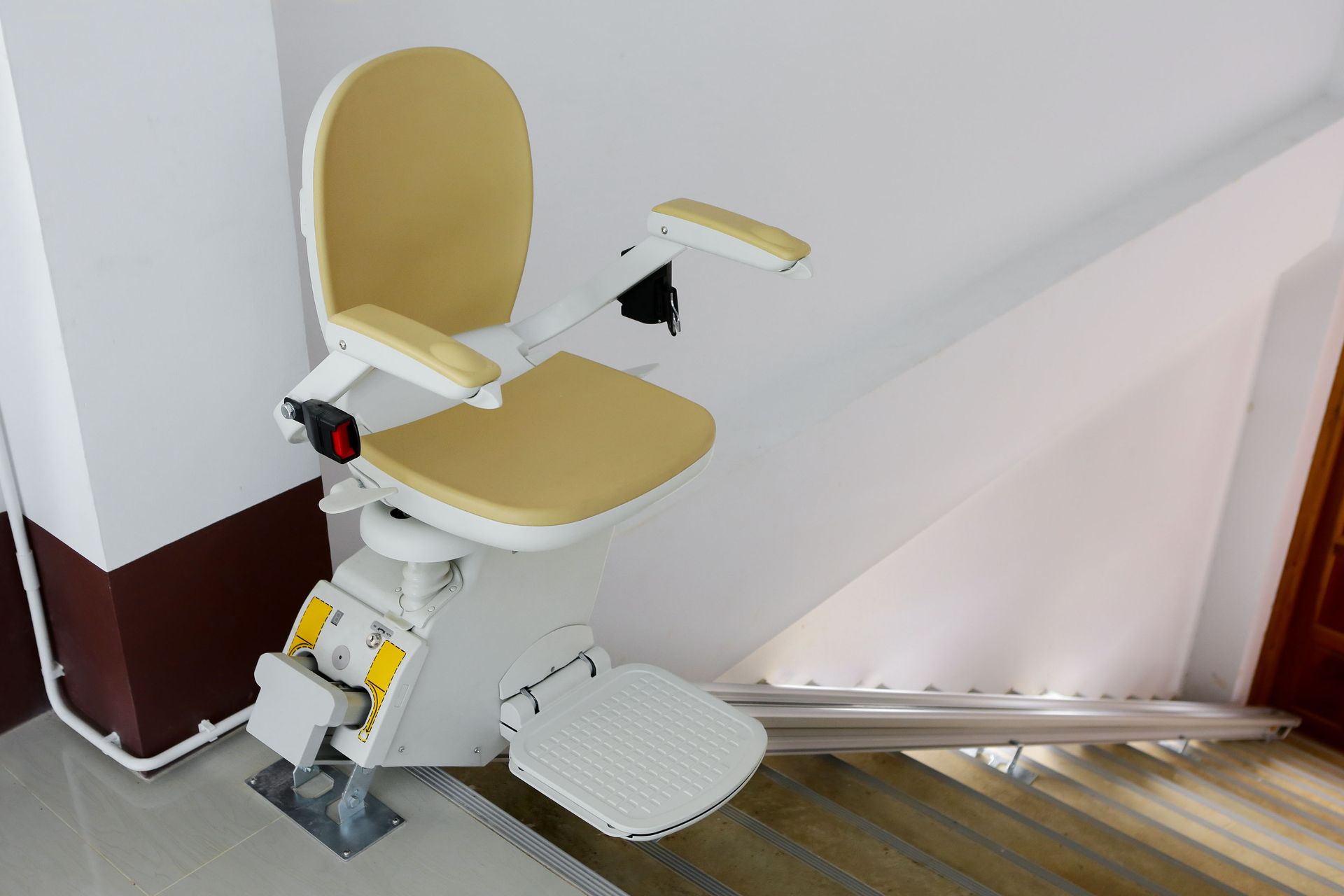
Beyond individual rooms, structural modifications such as stair lifts, ramps, and bathroom renovations provide long-term accessibility solutions. These changes allow residents to navigate multiple levels of the home safely, promoting independence and improving overall quality of life. Careful planning and assessment of the home layout can ensure these modifications are effective and unobtrusive. Integrating multiple solutions creates a cohesive approach to accessibility, supporting smoother transitions between rooms and reducing physical strain.
Creating an accessible home supports independence, safety, and ease of daily living for residents of all abilities. With modifications such as ramps, stair lifts, walk-in tubs, roll-in showers, and accessible hardware, homes can be adapted to better meet individual needs while maintaining comfort and functionality. To explore tailored solutions and professional installation, learn more about how Fayer Family Accessibility Solutions can help transform your living space into an environment designed for accessibility and convenience.